
Air freight exists for one reason: urgency. When cargo moves by air, it’s because time matters. Pharmaceutical shipments can’t wait. Aircraft spares can’t sit idle. High-value goods can’t afford delays. Customers choose air freight because every hour counts.
Yet behind the scenes, many air freight teams still depend on email-to-CargoWise manual entry. Air Waybills arrive as PDF attachments, data is copied line by line, and shipment details are rechecked under time pressure. By the time the job is created correctly in CargoWise, the shipment may already be in transit.
The aircraft may be fast, but the documentation workflow often isn’t. This gap between transport speed and document handling is precisely where Air Waybill automation enhances how air freight operations are performed within CargoWise.
What is an Air Waybill and Why is it so Critical in Air Freight?
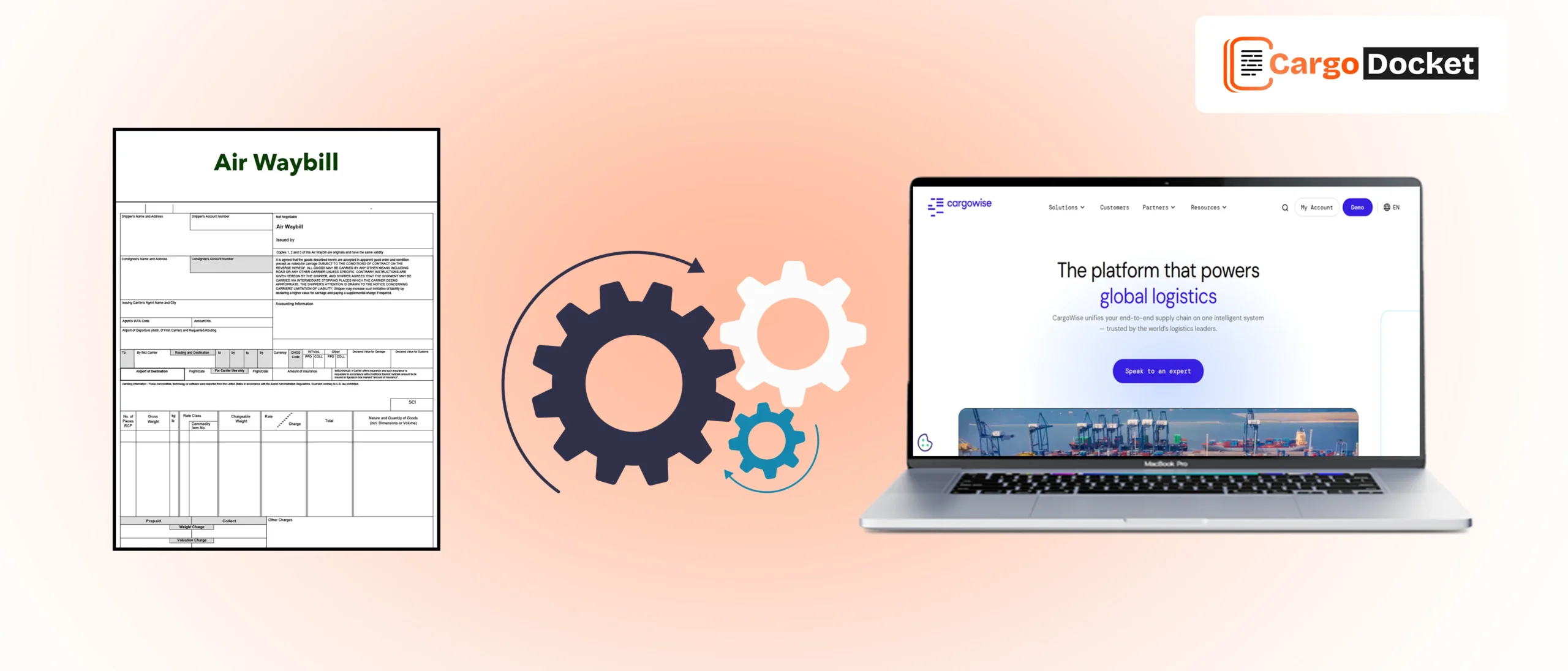
An Air Waybill (AWB) is the backbone of every air cargo shipment. It functions as the contract of carriage between the shipper and the airline, a receipt of goods, and a primary reference for customs, billing, and tracking.
An AWB contains operationally sensitive information: shipper and consignee details, airport of origin and destination, flight routing, piece count, gross and chargeable weight, commodity description, and freight payment terms. Inside CargoWise, this information drives job creation, shipment milestones, accruals, invoicing, and customer visibility.
If AWB data is late, incomplete, or inaccurate, CargoWise workflows slow down immediately. Job creation is delayed. Accruals don’t line up. Finance waits. Customer service fields questions without answers.
In air freight, AWB accuracy isn’t optional, it’s foundational.
What is Air Waybill Automation?
Air Waybill automation uses AI document automation to read, extract, validate, and structure AWB data without manual data entry.
Instead of operators opening airline PDFs or scanned AWBs and typing data into CargoWise, the system understands the document layout, captures key fields automatically, and validates them against predefined business rules. The AWB is then linked to the correct job or shipment and uploaded as an eDoc.
Automation doesn’t remove people from the process. It removes repetitive, error-prone work so teams can focus on exceptions, coordination, and service quality.
Why Manual AWB Processing Fails at Scale in Air Freight?
Manual AWB handling may work when volumes are low. The breakdown happens when speed, volume, and variability increase.
Airlines and overseas agents send AWBs in different formats, often at different times. Some arrive before the job exists. Others arrive after departure. Teams must reconcile data quickly while managing flight cut-offs, customer updates, and handovers.
Under this pressure, small mistakes happen. A wrong airport code. A missed reference. An incorrect chargeable weight. Each one creates downstream issues, customs questions, billing disputes, or accrual mismatches.
The issue isn’t skill. It’s that manual data entry processes can’t keep up with air freight velocity.
How Air Waybill Automation Works Inside CargoWise?
Air Waybill automation operates before data reaches CargoWise, not after problems appear.
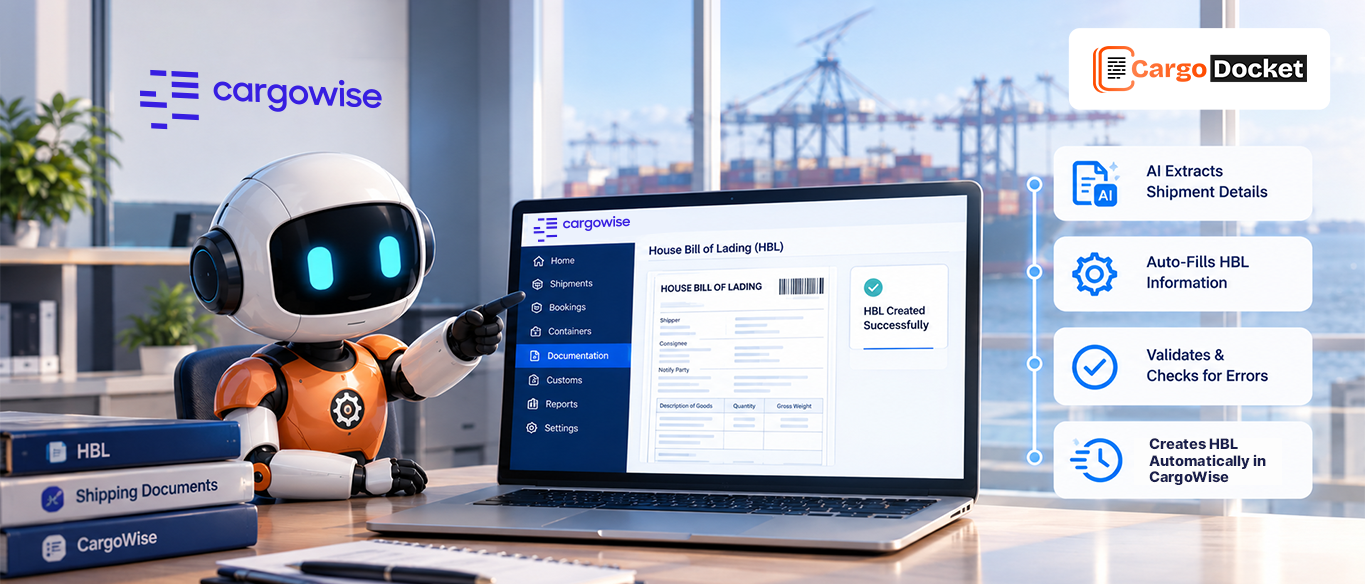
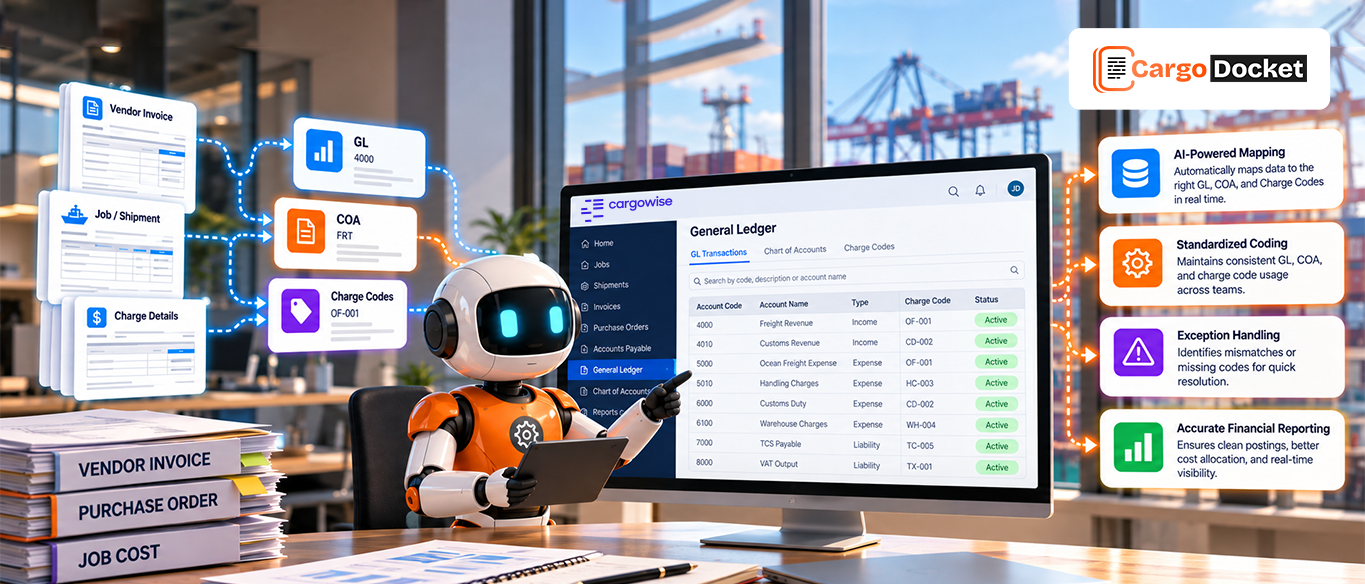
As AWBs arrive via email or shared folders, AI document automation reads the document, extracts shipment details, and validates them. The system identifies whether the AWB belongs to an existing job or requires a new one to be created. Once validated, the data flows directly into CargoWise, and the document is attached automatically as an eDoc.
Clean AWBs move through the workflow without interruption. Only true exceptions, missing data, mismatches, or unusual cases are surfaced for review. This keeps CargoWise accurate and reliable without slowing operations.
Operational Benefits of Air Waybill Automation
For operations teams, automation delivers immediate, tangible improvements:
- Faster air import and export job creation from AWB data
- Reduced manual data entry during flight cut-off windows
- Earlier shipment visibility for tracking and customer updates
- Fewer errors caused by rushed or duplicated entries
- Smoother coordination with airlines, handlers, and agents
Operations shift from reactive data entry to controlled execution.
Why is Accuracy Even More Critical in Air Freight?
Air freight allows little room for error. A single incorrect data point can delay release, cause airline rejections, or trigger invoice disputes.
Automation enforces consistency. Airport codes, weight fields, routing, and references are validated the same way every time. Instead of relying on individual judgment under time pressure, rules are applied uniformly.
Accuracy becomes embedded in the workflow, not dependent on who processed the document.
Financial Impact of AWB Automation for CargoWise Users
Finance teams see clear benefits once AWB data is automated:
- Earlier and more accurate accruals tied to shipment data
- Faster invoice validation and posting
- Fewer billing disputes caused by AWB mismatches
- Improved cash-flow predictability
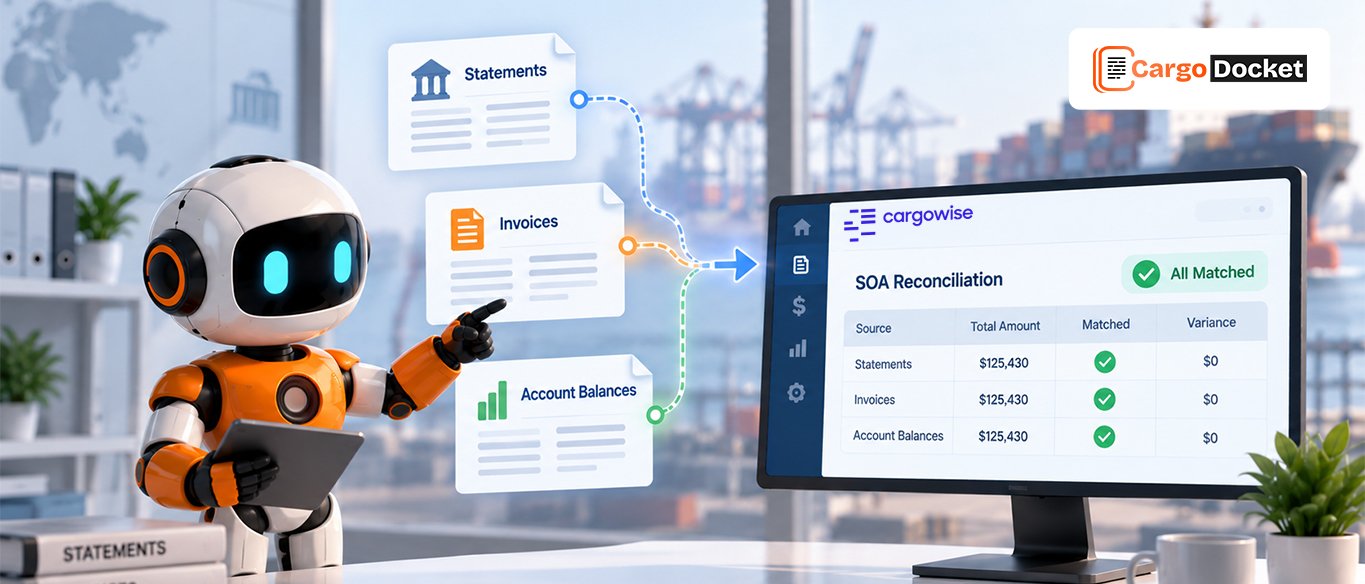
- Less rework during the month-end close
Clean AWB data upstream prevents costly corrections downstream.
How Automation Enables Air Freight Growth Without More Headcount?
Air freight volumes fluctuate constantly. Peak seasons, urgent bookings, and ad-hoc shipments can overwhelm manual teams.
Automation absorbs this volume without adding pressure. Whether processing ten AWBs or hundreds, speed and accuracy remain consistent. Teams focus on exceptions and customer commitments instead of repetitive data work.
Growth becomes manageable instead of chaotic.
What Happens Without Air Waybill Automation?
Without automation, air freight teams face ongoing friction:
- Hours lost daily to manual AWB entry
- Errors discovered late as billing or clearance issues
- Slower job creation during peak periods
- Finance teams are stuck reconciling instead of analyzing
- Scaling is dependent on hiring, not efficiency
These costs accumulate quietly but steadily.
Conclusion: Faster Air Freight Starts With Smarter AWB Processing
Air freight is designed for speed, but manual Air Waybill handling holds it back.
By automating AWB processing inside CargoWise, teams gain faster job creation, cleaner data, stronger financial control, and the ability to scale without friction. AWBs become a reliable data source, not a daily obstacle.
If air freight volumes are increasing and documentation pressure is growing, Air Waybill automation is no longer optional.
Book a free demo today and see how Air Waybill automation can transform your air freight operations in CargoWise.