
More than 70% of Accounts Payable teams still process invoices manually, spending an average of 9 to 12 minutes on every invoice. While e-invoicing has made invoice exchange faster and improved compliance, finance teams still spend valuable time validating invoice details, matching purchase orders, routing approvals, and updating ERP systems.
As invoice volumes continue to grow, businesses are realizing that digitizing invoices is only part of the solution. To improve efficiency, reduce manual work, and gain better financial visibility, many organizations are moving beyond e-invoicing and embracing AI accounts payable automation.
📄 The Real Accounts Payable Process Begins After the Invoice Arrives
Before a supplier invoice can be approved for payment, finance teams must verify supplier information, validate invoice amounts, compare invoices with purchase orders, confirm goods or services have been received, review tax details, obtain approvals, and ensure every transaction is recorded correctly in the ERP.
While each step is essential, many organizations still complete these tasks manually. Finance professionals often switch between emails, spreadsheets, ERP systems, and supporting documents just to process a single invoice. As invoice volumes increase, these repetitive activities consume valuable time and make it more difficult to maintain speed, accuracy, and compliance.
E-invoicing has improved how invoices are exchanged, but it does not automate everything that happens after the invoice reaches the finance team. That is why many businesses are looking beyond digital invoice delivery and focusing on automating the complete accounts payable workflow.
💼 Accounts Payable is About More than Paying Supplier Invoices
Accounts Payable plays a much bigger role than simply processing payments. It helps businesses manage cash flow, maintain supplier relationships, support financial reporting, and ensure every payment is accurate before money leaves the organization.
Every invoice contributes to a larger financial process. Finance teams must confirm that invoice information matches business records, verify pricing, identify duplicate invoices, resolve exceptions, and ensure approvals are completed before payments are released.
As businesses grow, these responsibilities become more challenging. Processing hundreds or thousands of invoices every month increases the administrative workload and leaves less time for finance teams to focus on forecasting, financial planning, supplier performance, and business strategy.
Instead of asking finance teams to work faster with the same manual processes, AI automation helps remove repetitive tasks while giving finance professionals greater visibility and control over the entire Accounts Payable function.
⚙️ How AI Accounts Payable Automation Works?
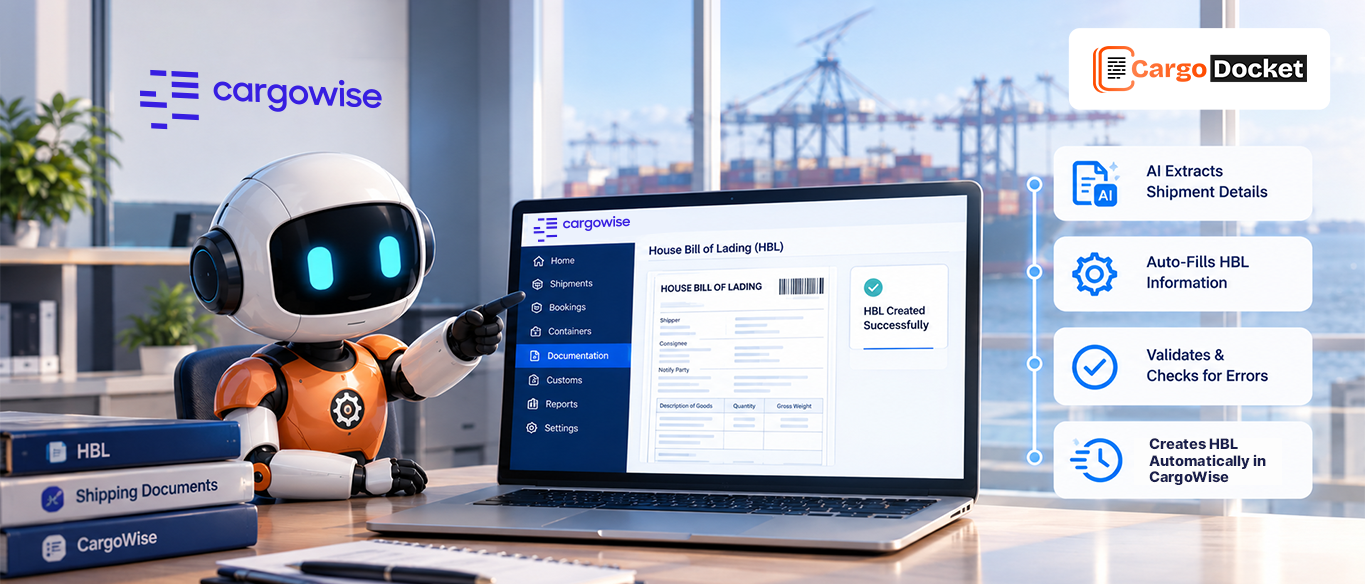
AI Accounts Payable automation goes beyond digitizing invoices. It creates a connected workflow that captures invoice information, validates business data, manages approvals, and prepares invoices for posting into the ERP with minimal manual effort.
Rather than asking finance teams to review every invoice individually, AI helps organize, validate, and process documents while allowing people to focus on exceptions that require attention.
📥 Receive Invoice Documents
Supplier invoices are automatically collected from emails, supplier portals, shared folders, and connected business systems, ensuring every invoice enters a centralized workflow without manual handling.
📄 Read & Extract Invoice Data
AI reads invoices in multiple formats, including PDFs, scanned documents, electronic invoices, and other structured or unstructured files. It captures supplier information, invoice numbers, purchase order references, payment terms, tax details, and line-item data with speed and accuracy.
🔄 Validate and Match Business Information
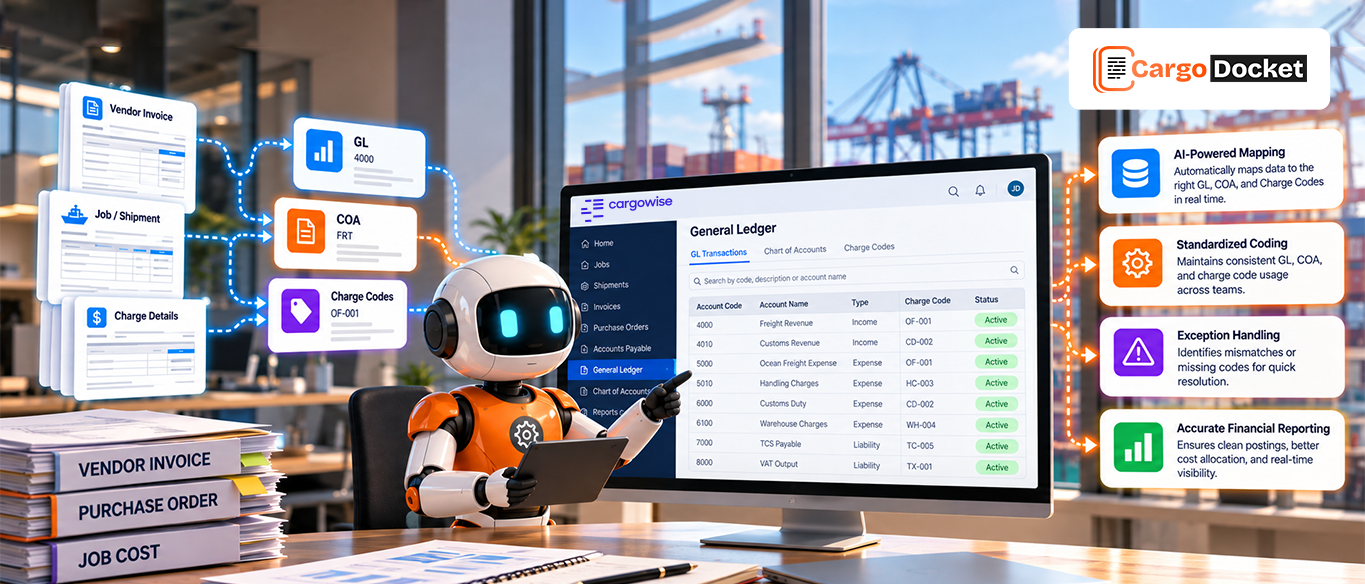
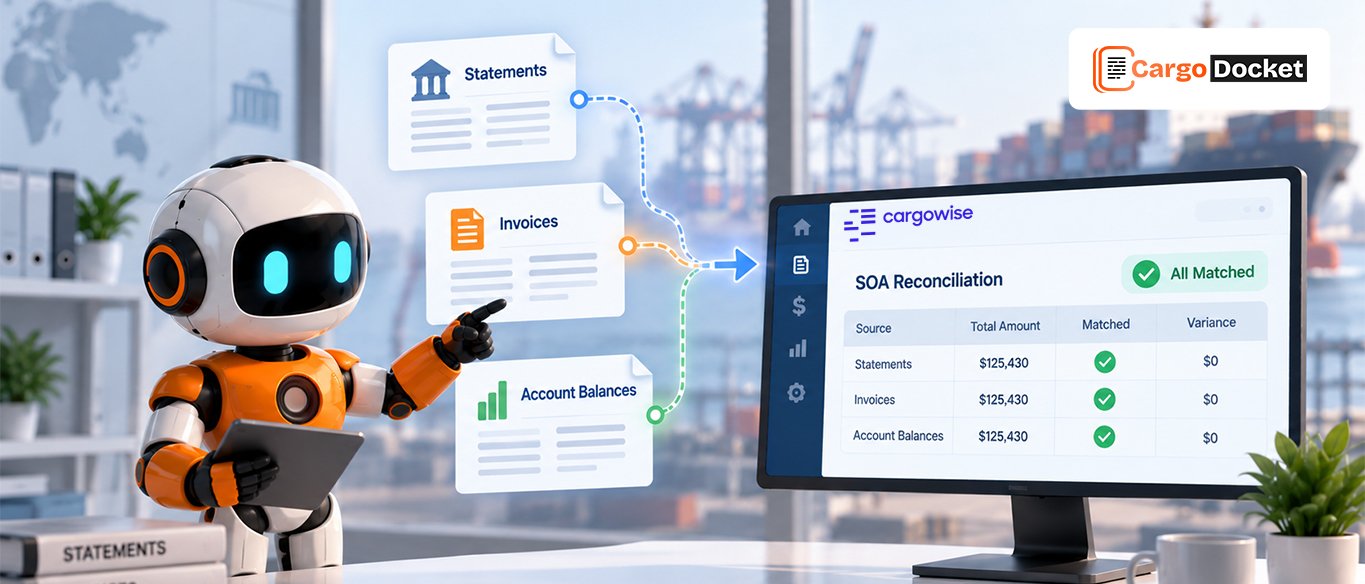
The extracted information is automatically compared with purchase orders, goods receipts, contracts, and ERP records to verify that every invoice is complete and accurate before moving to the next stage.
✅ Workflow Management & Exception Handling
Invoices that meet predefined business rules move through the approval process automatically. If duplicate invoices, pricing differences, missing information, or validation issues are detected, they are flagged for review, allowing finance teams to focus only on exceptions instead of every invoice.
🚀 Transfer Approved Data into the ERP
Once approved, validated invoice information is automatically transferred into the ERP or financial system. This eliminates duplicate data entry, improves financial accuracy, and creates a more connected Accounts Payable process from invoice receipt to payment.
📊 Better Accounts Payable Processes Lead to Better Financial Control
The biggest advantage of AI Accounts Payable automation isn’t simply processing invoices faster. It’s helping finance teams gain greater control over the entire payment lifecycle.
When invoice information is captured, validated, and shared automatically, businesses have better visibility into outstanding invoices, approval status, payment schedules, and supplier commitments. Instead of waiting until month-end to identify missing invoices or resolve discrepancies, finance teams can monitor every stage of the Accounts Payable process in real time.
This level of visibility also improves collaboration across departments. Procurement teams can confirm purchase order information more quickly, finance teams can process payments with greater confidence, and management gains access to more accurate financial data for planning and reporting. When everyone works from the same information, decisions become faster, and financial operations become more predictable.
📈 AI Accounts Payable Automation is Helping Finance Teams Work Smarter
Finance teams today do much more than approve invoices and process payments. They help manage cash flow, maintain supplier relationships, ensure compliance, and provide the financial insights businesses need to grow.
As invoice volumes increase, manual processes become harder to manage. More suppliers, changing regulations, and higher transaction volumes create additional pressure on accounts payable teams, even when invoices are received electronically.
AI Accounts Payable automation brings AI-powered document processing, data validation, approval workflows, and ERP integration into one connected process. By reducing repetitive administrative work, finance teams can spend less time processing invoices and more time supporting financial planning, supplier management, and strategic business decisions.
🌐 Connected Finance Processes Create Stronger Business Operations
Accounts Payable doesn’t operate in isolation. Every supplier invoice is connected to purchasing, operations, finance, and reporting. When information moves slowly between these teams, it can delay approvals, affect supplier payments, reduce cash flow visibility, and make month-end closing more challenging.
AI automation keeps invoice information moving smoothly from receipt to payment, giving finance teams more accurate data, better visibility into financial commitments, and faster approval cycles.
As businesses continue to digitize their finance operations, connected accounts payable workflows are becoming essential for improving efficiency today while building a stronger financial foundation for the future.
🚀 Final Thoughts
E-invoicing has improved how businesses exchange invoices, but modern Accounts Payable requires much more than digital document delivery. AI automation helps finance teams connect every step of the invoice lifecycle, creating a faster, more accurate, and more efficient process.
With Document Automation, businesses can:
- Reduce manual processing through automated data capture and validation.
- Improve accuracy and visibility with intelligent approval workflows and real-time invoice tracking.
- Empower finance teams to focus on cash flow, supplier relationships, and strategic decision-making instead of repetitive administrative work.
As Accounts Payable continues to evolve, AI Document Automation is helping finance teams build smarter, faster, and more connected financial operations.