
HS code classification starts with understanding the product, but that information is often spread across product descriptions, commercial invoices, specifications, and supporting documents.
AI is changing how customs teams handle this step. Instead of manually gathering and reviewing every detail, AI can help analyze product information, identify the characteristics that matter, and support HS code recommendations within the CargoWise workflow.
🤖 What Changes When AI Analyzes Product Details for HS Code Classification?
A short product description is not always enough to support classification. For example, terms such as “electronic component” or “machine part” may not explain what the product actually does, what it is made of, or how it is used.
AI can help analyze the available information and build a clearer picture of the product.
Depending on the information available, it can help identify:
- Product descriptions and characteristics
- Materials and components
- Product functions and intended use
- Technical specifications
- Relevant details from supporting documents
This changes the starting point. Instead of manually searching through different sources before classification begins, customs teams can work with product information that has already been analyzed and organized.
🔍 How does AI Move from Product Details to an HS Code Recommendation?
Once the product information is available, AI can analyze the relevant characteristics and help narrow down possible HS code options.
The process can follow a logical path:
Product Details → Key Characteristics Identified → Missing Information Flagged → Relevant HS Code Options Analyzed → Recommendation → Human Review
If the available information is incomplete, AI can flag what needs further clarification instead of relying only on a vague description.
This can give customs teams a more structured starting point. Rather than manually researching every possible classification from scratch, they can review the relevant product details and AI-supported recommendations before making a decision.
⚙️ How can AI Support HS Code Classification in CargoWise?
The process becomes more useful when product analysis connects with the existing CargoWise customs workflow.
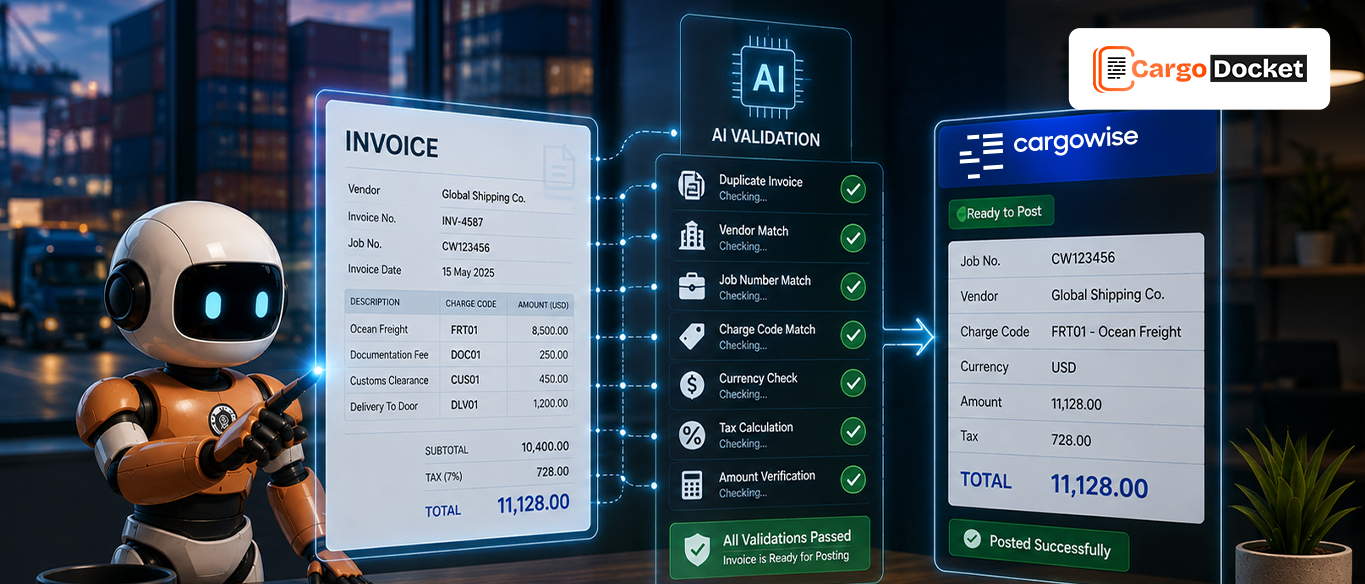
Product information may arrive through commercial invoices or other supporting documents. AI can help extract and analyze the relevant details before supporting the classification process.
A connected workflow could look like this:
Document → Data Extraction → Product Analysis → HS Code Recommendation → Human Review → Classification Confirmed in CargoWise
This is where the flow makes sense: the document provides the information, AI helps turn that information into usable product details, and the classification recommendation is reviewed before the confirmed result is used within the CargoWise workflow.
The aim is not to remove the customs professional from the process. It is to reduce the time spent gathering, reading, and organizing information before the actual classification decision.
👤 Why does Human Review Still Matter in AI-Powered Classification?
AI can analyze product information and recommend possible HS codes, but not every product is straightforward.
Some goods may have incomplete descriptions, technical characteristics, or multiple possible classification options. These cases still require professional judgment.
That is why a practical workflow remains:
AI Analyzes → AI Recommends → Customs Professional Reviews → Classification Is Confirmed
AI can handle more of the initial information analysis, while the customs professional remains responsible for reviewing the recommendation and confirming the final classification.
This also allows teams to focus more attention on complex or unclear products instead of spending the same amount of time on every product line.
📈 What could this Mean for the Future of Classification in CargoWise?
The biggest change is in how the classification process begins.
Traditionally, the workflow may involve:
Search → Read → Research → Compare → Classify
With AI supporting product analysis, the process can become more structured:
Analyze → Identify → Clarify → Recommend → Review → Confirm
This can help reduce repetitive research and give customs teams a clearer view of the product information before they begin their final review.
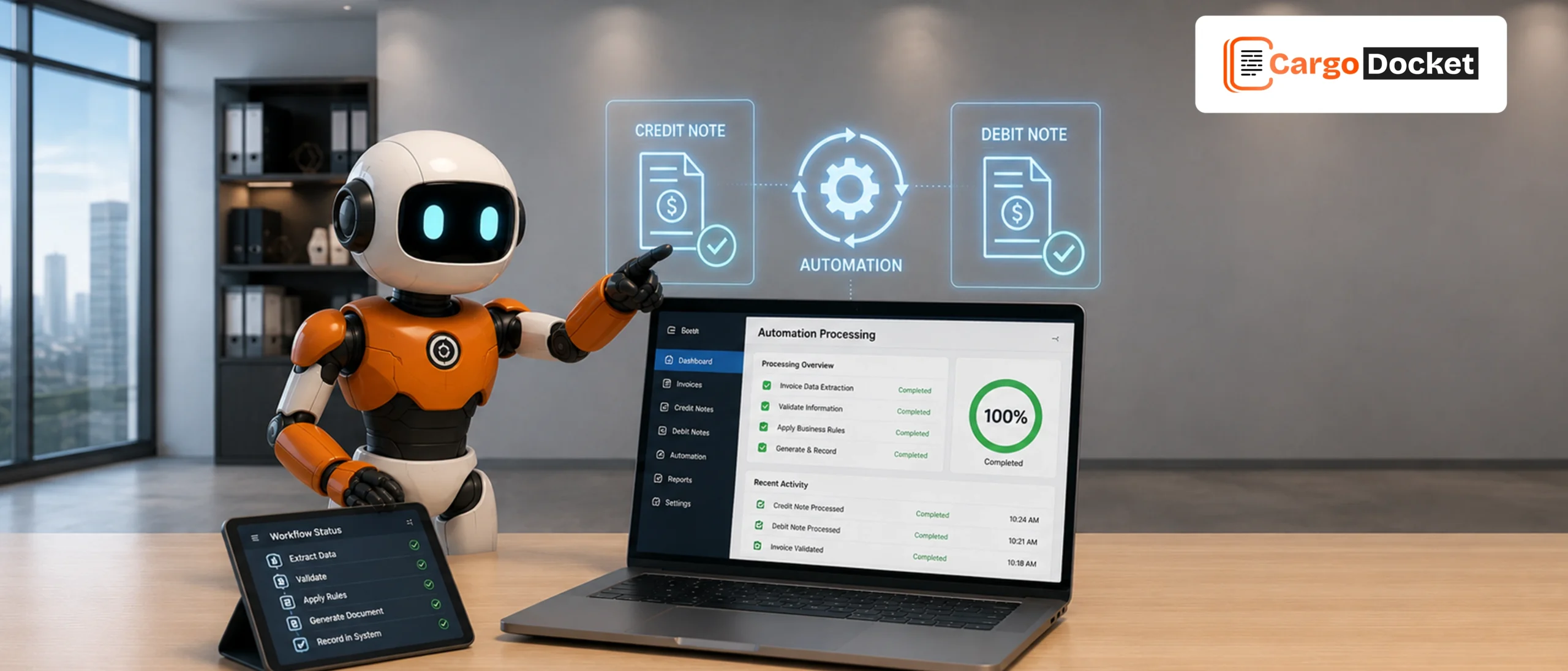
AI Document Automation can also support this process by helping extract product information from commercial and logistics documents. That information can then move into product analysis and support HS code classification rather than remaining buried inside documents.
Conclusion
AI is changing HS code classification by improving how product information is analyzed before a code is selected.
By identifying key characteristics, flagging missing information, and recommending relevant HS code options, AI can help customs teams approach classification with a clearer starting point.
The final classification still requires human review, but AI can make the process more structured, reduce manual work, and help product information move more smoothly from documents into the CargoWise classification workflow.