
You know that moment when your customs team is racing against the clock, retyping product details line by line from a supplier invoice, double-checking HS codes, unit prices, weights, and descriptions, while your shipment sits at the border?
That’s the daily grind for many freight forwarders and customs brokers. And it’s exactly where automated line item extraction becomes not just helpful, but essential.
With growing shipment volumes, tightened border compliance, and reduced headcount across logistics teams, automating line item extraction for customs documents plays a critical operational advantage.
Let’s explore why line item extraction matters more than ever, how it works, and what benefits logistics teams can expect when it’s fully integrated into their customs clearance workflows.
Why is Manual Line Item Entry Still a Major Roadblock?
Despite advancements in TMS and ERP platforms like CargoWise, a significant portion of customs documentation is still processed manually. This is especially true when dealing with commercial invoices, packing lists, or supplier manifests that come in unstructured formats like PDFs, scanned documents, or spreadsheets.
Manual entry of this data creates three core problems:
Time Drain – Typing out 20 to 200+ line items per shipment takes hours of valuable time that could be better spent reviewing compliance issues or resolving exceptions.
Human Error – Even the best teams make mistakes under pressure. A single digit off in quantity, value, or HS code can result in incorrect duties, customs delays, or rejections.
Lack of Scalability – When volumes surge, during seasonal peaks or global trade events, teams simply can’t keep up without automation. Hiring more staff isn’t always feasible or efficient.
Manual line item entry puts your business at a disadvantage. It slows down the customs process, adds compliance risk, and limits your ability to grow.
How Does Automated Line Item Extraction Work?
Automated line item extraction uses AI and OCR (Optical Character Recognition) to scan and understand structured and unstructured customs documents. Unlike basic OCR, which simply reads text, intelligent line item extraction recognizes data patterns, structures, and context to extract detailed fields like:
- Product name and SKU
- HS (Harmonized System) code
- Quantity and units of measure
- Unit value and total value
- Country of origin
- Weight and dimensions
- Incoterms
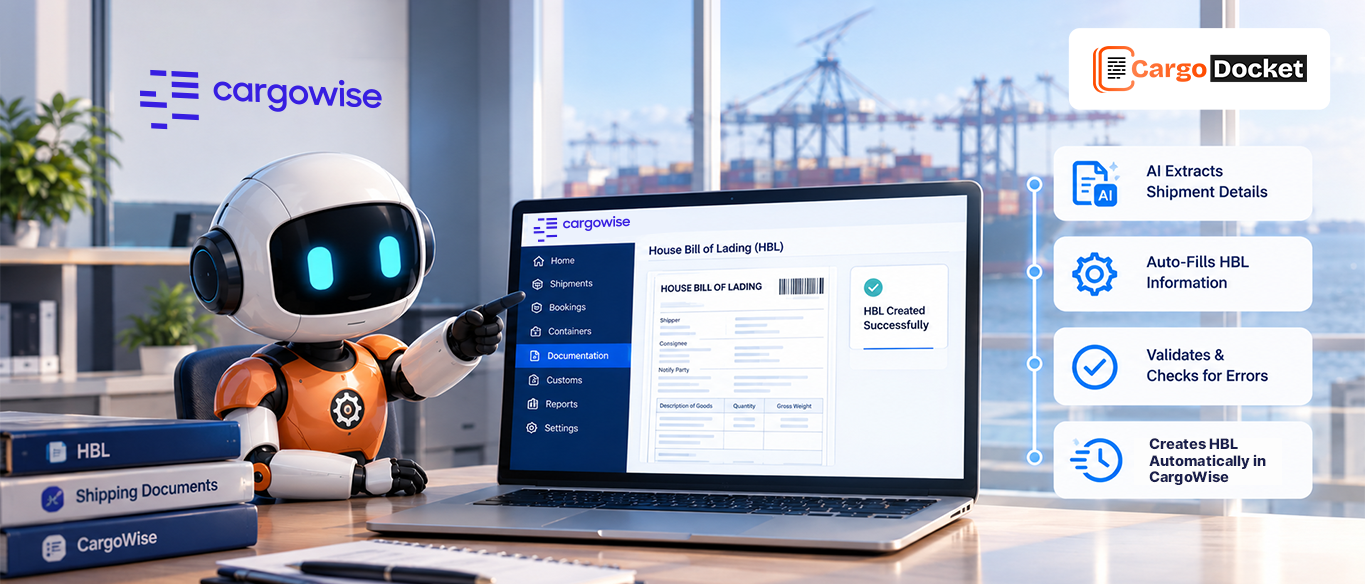
Once extracted, the system maps this data to the correct fields in your customs clearance workflow. That could be directly into your CargoWise customs module, a broker filing platform, or your internal compliance system.
If the document contains unexpected formats, duplicate values, or missing fields, the system flags those items for human review, keeping humans in the loop for exception handling, but not for basic entry.
What are the Core Benefits for Customs Clearance Teams?
1. Speed
With automation, what used to take hours, manually inputting line item data, now takes minutes. This acceleration allows teams to process more shipments per day, meet tight filing deadlines, and avoid penalties for late customs submissions.
2. Accuracy
Automated systems consistently outperform manual entry in terms of data accuracy. They don’t get tired or distracted. Once trained, they maintain 99%+ precision and catch formatting inconsistencies or mismatches that human eyes often miss.
3. Compliance Confidence
Every customs declaration must meet government requirements. Automated extraction enforces business rules and country-specific validation at the line level, reducing the risk of audit failures or compliance fines.
4. Reduced Workload
Customs and documentation teams can finally get out of “data entry mode” and focus on exception resolution, strategic vendor management, and customer service. The workload becomes lighter, and smarter.
5. Scalability
When trade volumes increase, automation doesn’t sweat. Systems can process thousands of line items daily, allowing you to expand services without hiring or overwhelming your existing team.
6. Cost Savings
AI document automation reduces error-related costs, companies see a measurable ROI. Fewer reworks, faster clearance, and better vendor performance all contribute to bottom-line impact.
What Does Implementation Look Like?
Integrating line item extraction into your customs workflow doesn’t have to be complicated. Here’s how most logistics teams roll it out:
Document Mapping
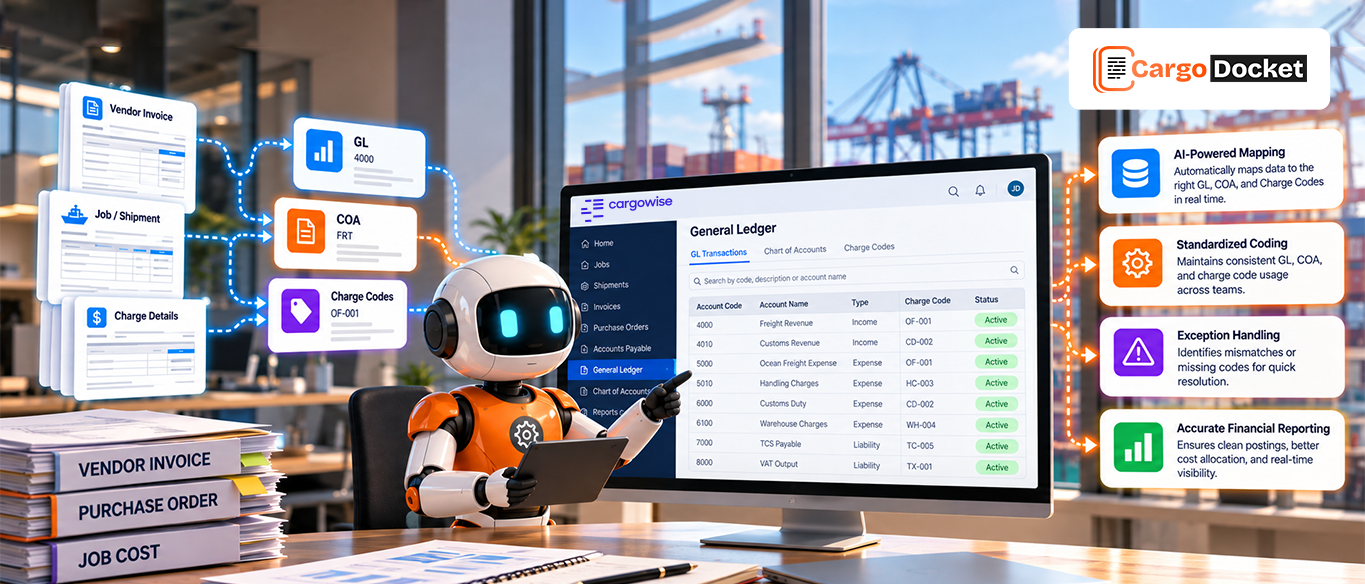
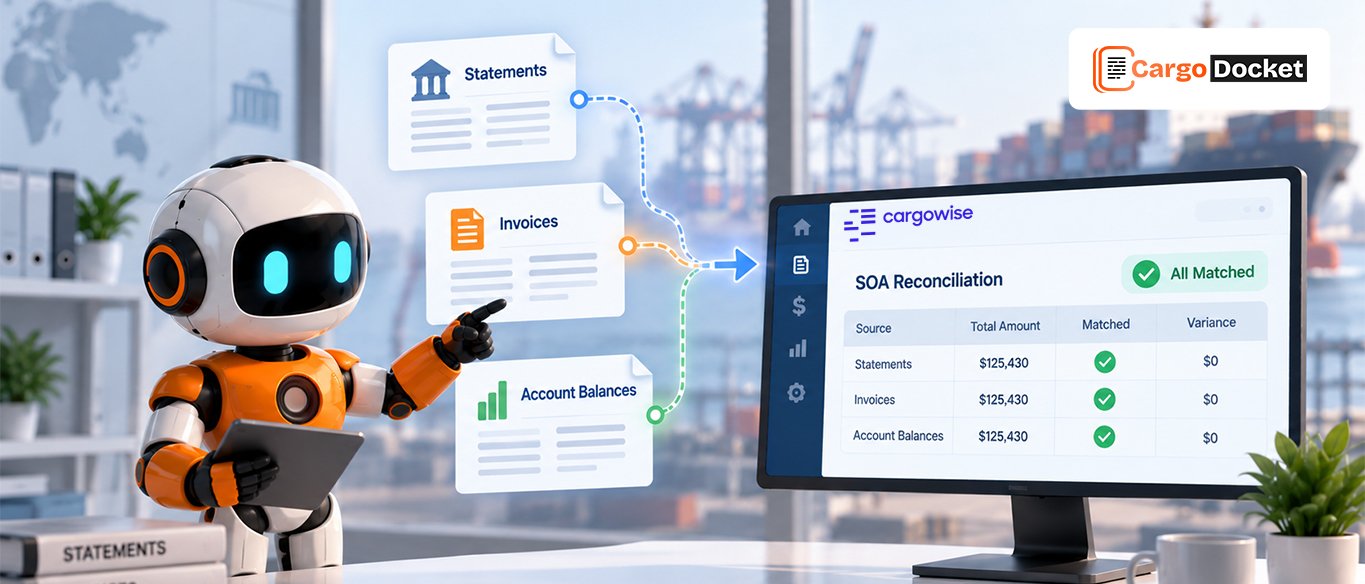
The system is trained on your typical commercial invoices, packing lists, and statements. It learns where line items are located and how to identify fields accurately, even from different vendors.
Business Rule Setup
You set up validation rules, like verifying if the extracted HS code matches your database, or ensuring declared values align with purchase orders.
Testing and Review
Start with a few shipments and compare automation output to manual entries. This phase builds trust in the system and allows fine-tuning for edge cases.
Workflow Integration
Once trained, the data is pushed automatically into your TMS or customs system. If you’re using CargoWise, this could mean direct line-item entry into the customs module or creating electronic declarations tied to shipments.
Scaling and Monitoring
After initial success, expand to more document types or business units. Monitor exception rates, processing speed, and user feedback to continuously improve.
Who Benefits the Most from This Automation?
Freight forwarders managing high-volume import/export operations across multiple countries
Customs brokers who file thousands of entries monthly and are under pressure to improve accuracy and speed
3PLs and logistics providers looking to digitize their services and scale without growing headcount
Any CargoWise user tired of retyping line items into customs or job records, and ready to modernize
What Happens If You Don’t Automate?
Choosing to stay manual means slower processing, higher costs, and more errors. It means your customs clearance team will always be reacting instead of optimizing. And it means missed opportunities to use your people for strategic growth instead of clerical work.
Automation isn’t just about speed. It’s about giving your team the freedom to think, solve, and lead. That’s how modern logistics businesses win.
Conclusion
If your team is still spending hours per day retyping the same line item data into customs systems, you’re not just wasting time, you’re leaving money on the table.
Automated line item extraction brings speed, accuracy, and control to one of the most painful parts of the customs process. It ensures your filings are compliant, your team is productive, and your shipments are clear without drama.
Want to see what automated line item extraction can do in your CargoWise environment?
Talk to our team at CargoDocket and book a demo of real documents flowing from PDF to customs-ready in minutes. No more typing. No more errors. Just clean data, fast clearance, and more profit per shipment.
Let’s make customs clearance smarter, together.