
The final weeks of the year can be hectic for accounts payable teams. While businesses prepare to close their books, AP professionals are busy processing invoices, checking outstanding payments, following up on approvals, and making sure financial records are up to date.
For freight forwarders, there’s even more to manage. Carrier invoices, vendor bills, shipment-related charges, and supporting documents all need to be reviewed and recorded accurately. A few pending invoices might not seem like a big deal, but when they start piling up, they can slow down the entire year-end closing process.
Before 2026 wraps up, it’s worth asking: Are all your invoices processed, verified, and recorded, or is there still a backlog waiting for your team’s attention?
What Makes Year-End Invoice Processing Challenging for AP Teams?
Invoice processing is a regular part of daily operations, but the workload often increases toward the end of the financial year. AP teams must manage incoming invoices while clearing pending documents and preparing financial records for closing.
The challenge isn’t just the number of invoices. Each document needs to be checked, matched with the relevant shipment details, approved, and recorded correctly.
Some common issues include:
- Pending invoices: Documents received through email or other channels may still be waiting for processing.
- Missing information: Incomplete invoice details or supporting documents can delay verification.
- Manual data entry: Entering information from every invoice takes time and increases the chance of errors.
- Approval delays: Invoices waiting for internal review can hold up payment processing.
- Duplicate invoices: Repeated submissions can lead to unnecessary checks and potential duplicate payments.
When these issues build up, AP teams spend more time chasing documents and correcting records instead of focusing on year-end financial activities.
How can Your AP Team Get the Invoice Backlog Under Control?
The first step is to understand exactly which invoices are still pending. Review documents that have been received but not processed, invoices awaiting approval, and records that need additional information.
Rather than handling everything at once, prioritize invoices based on their status and the action required. For example, documents with missing details may need vendor follow-up, while verified invoices may simply be waiting for approval.
Before year-end closing, your team should:
- Review all received but unprocessed invoices.
- Follow up on pending approvals and missing supporting documents.
- Verify invoice amounts against relevant shipment charges.
- Identify duplicate submissions and unresolved discrepancies.
- Check that processed invoice details are accurately recorded in CargoWise.
Taking these steps early gives your team more time to resolve issues instead of rushing through the paperwork during the final days of the year.
Why is Accurate Invoice Data Important Before Closing the Books?
Clearing the invoice backlog is important, but accuracy matters just as much. Incorrect supplier details, invoice numbers, dates, or amounts can create reconciliation differences and require additional corrections.
For freight forwarders, invoice information also needs to align with the relevant shipment records and charges. If the data is incomplete or entered incorrectly, finance teams may struggle to get an accurate picture of outstanding costs and payments.
It’s also important to account for expenses incurred during the year where the supplier invoice has not yet arrived. Reviewing these items with the finance team helps ensure that relevant expenses are considered during the closing process.
A consistent verification process helps your AP team maintain reliable records and avoid carrying unresolved invoice issues into the new year.
Where can AI Document Automation Make Invoice Documentation Easier?
As invoice volumes increase, manually opening documents, reading details, and entering information into CargoWise can put additional pressure on your AP team. AI-powered document processing can help reduce this repetitive workload.
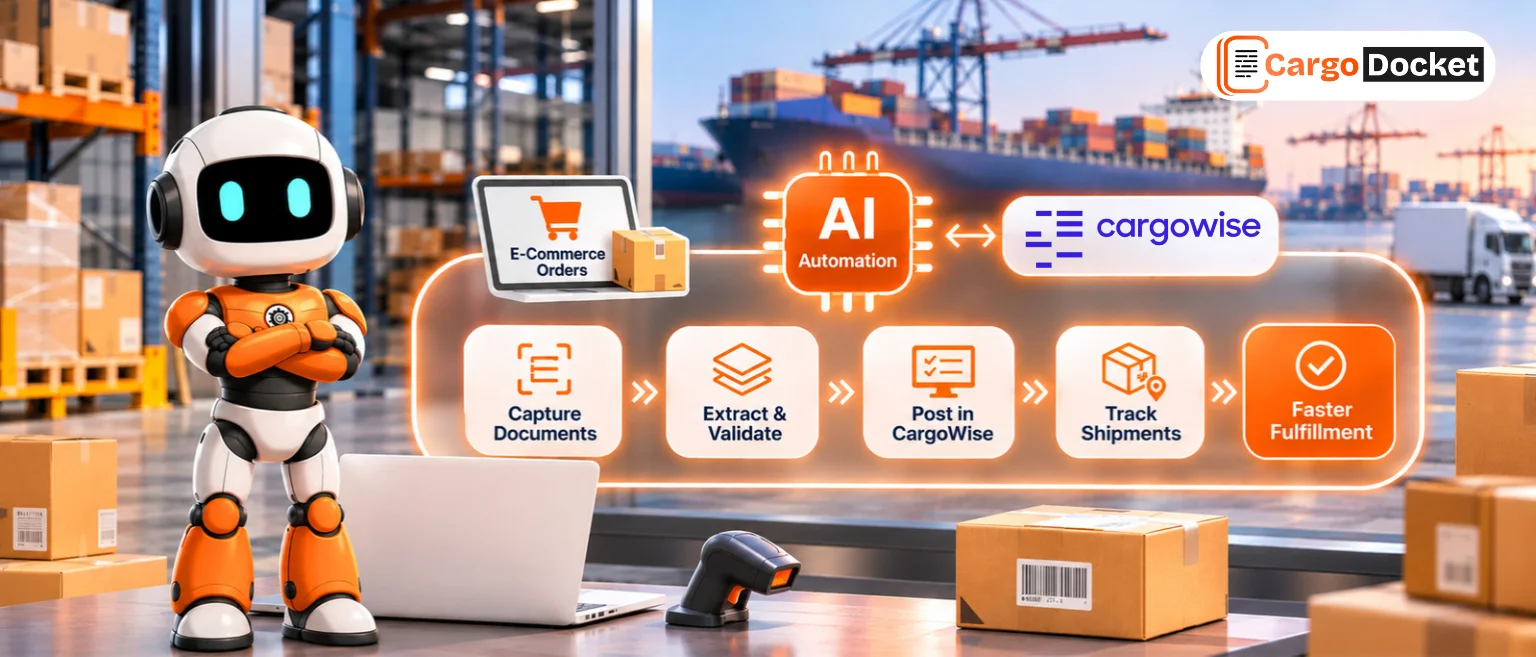
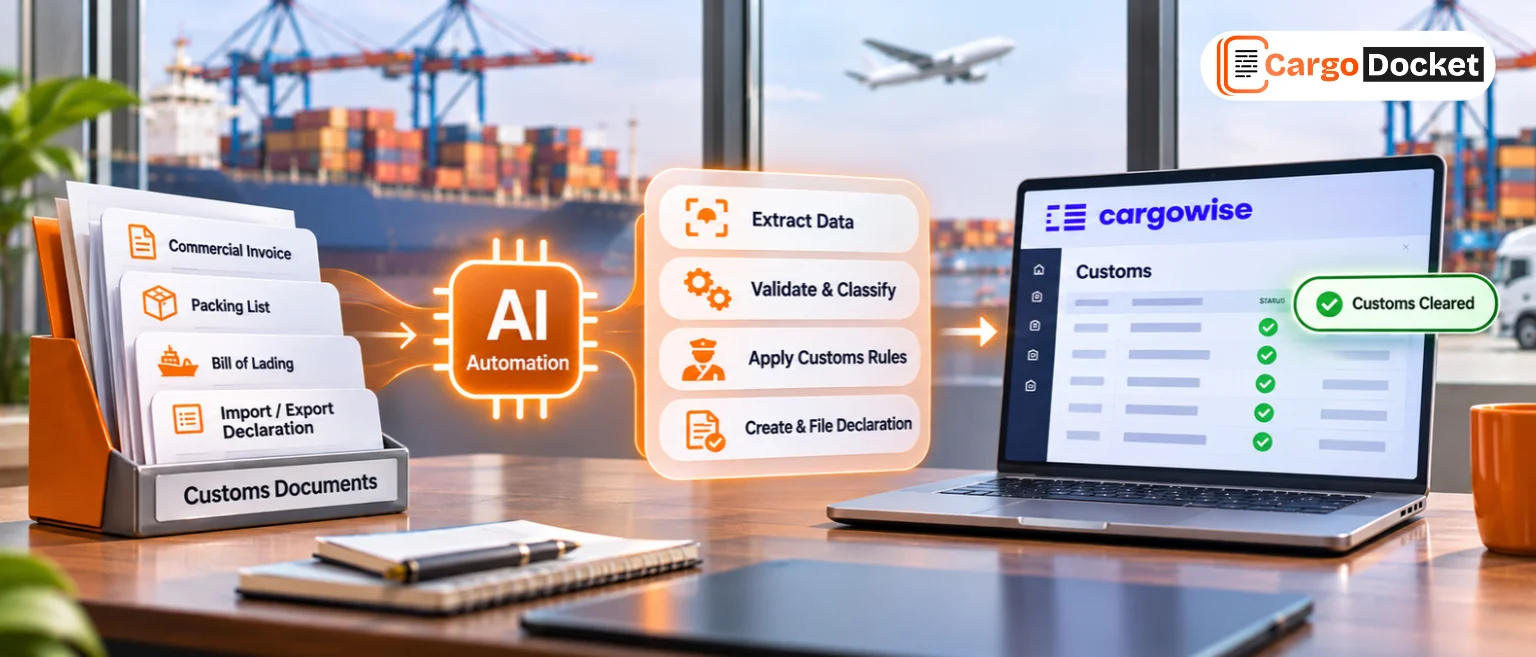
With CargoWise Accounts Payable Automation, freight forwarders can simplify how invoice information is captured, checked, and prepared for processing. AI Document Automation extracts relevant details from incoming invoices, helping teams spend less time on manual data entry and more time reviewing information.
It can support your AP workflow by helping to:
- Extract invoice details: Capture supplier names, invoice numbers, dates, amounts, and other relevant information.
- Reduce manual entry: Minimize repetitive typing and common data-entry mistakes.
- Identify missing information: Flag incomplete or inconsistent invoice details for review.
- Support invoice verification: Make it easier to review invoice information against relevant shipment records.
- Simplify CargoWise processing: Prepare extracted and validated invoice data for the relevant CargoWise workflow.
AI doesn’t replace your team’s financial checks or approval decisions. It helps reduce the manual work involved, giving AP professionals more time to focus on accuracy, exceptions, and financial controls.
Can Your AP Team Close 2026 Without the Last-Minute Documentation Rush?
Year-end closing doesn’t have to become a scramble to find missing invoices, chase approvals, and correct financial records. Reviewing pending documents early, verifying invoice details, and keeping CargoWise records accurate can make the process much easier.
If manual invoice handling is slowing your AP team down, it may be time to rethink how those documents are processed.
Simplify your year-end workload with CargoWise AI Document Automation. Explore how CargoWise Accounts Payable Automation can reduce repetitive invoice processing, improve document handling, and help your AP team stay on top of growing invoice volumes.
Give your team more time to focus on financial accuracy, not paperwork.