
Paying an invoice twice can happen more easily than you think. A carrier resends a bill, a colleague uploads the same document, or an invoice enters the system with a slightly different reference. Everything looks routine until your finance team discovers a duplicate payment.
For freight forwarders processing carrier charges, vendor bills, and shipment-related invoices, manually checking every record can be challenging. AI is helping finance teams identify potential duplicate invoices earlier, before they lead to costly payment errors.
Why are Duplicate Invoices Difficult to Detect?
Duplicate invoices don’t always look identical. One invoice might include a revised reference number, a different date format, or a slightly altered amount. Traditional verification methods that rely on exact matches can miss these differences.
For example, a carrier invoice linked to a shipment might be submitted again with a different invoice reference. Unless the finance team compares the supplier, amount, and shipment details against existing records, the second invoice could proceed to payment.
This can result in avoidable cash outflows, additional reconciliation work, and time spent contacting vendors to recover duplicate payments.
How does AI Help Detect Duplicate Invoices Before Payment?
AI-powered invoice verification can compare incoming invoices with existing records to identify exact matches and potential near-duplicates. Instead of relying on a single field, it examines multiple details to identify suspicious similarities.
These checks can include:
- Invoice numbers: Identifying exact matches, minor variations, or altered references.
- Supplier and amount: Comparing vendor information, invoice totals, and currencies.
- Shipment references: Checking whether the same shipment or freight charge has already been invoiced.
- Document details: Identifying similar invoices even when their layouts or formatting differ.
When a potential duplicate is detected, the system can flag it for review before payment approval. This gives finance teams an opportunity to investigate the invoice and prevent avoidable payment errors.
Why Should Duplicate Invoice Checks Happen Before Payment?
Detecting a duplicate invoice after payment creates additional work. Finance teams must review transaction records, contact the supplier, request a refund, and reconcile the financial records.
Identifying potential duplicates earlier allows teams to place suspicious invoices on hold while verifying the original transaction.
However, AI-generated alerts still require appropriate review. A corrected invoice, credit adjustment, or legitimate recurring charge may resemble a duplicate without being one.
The objective is to identify potential payment errors early while ensuring legitimate invoices continue through the approval process without unnecessary delays.
How can AI Document Automation Strengthen Invoice Verification?
Effective invoice verification begins with accurate data. When invoice information is captured incorrectly or scattered across emails, PDFs, and other documents, identifying duplicates becomes more difficult.
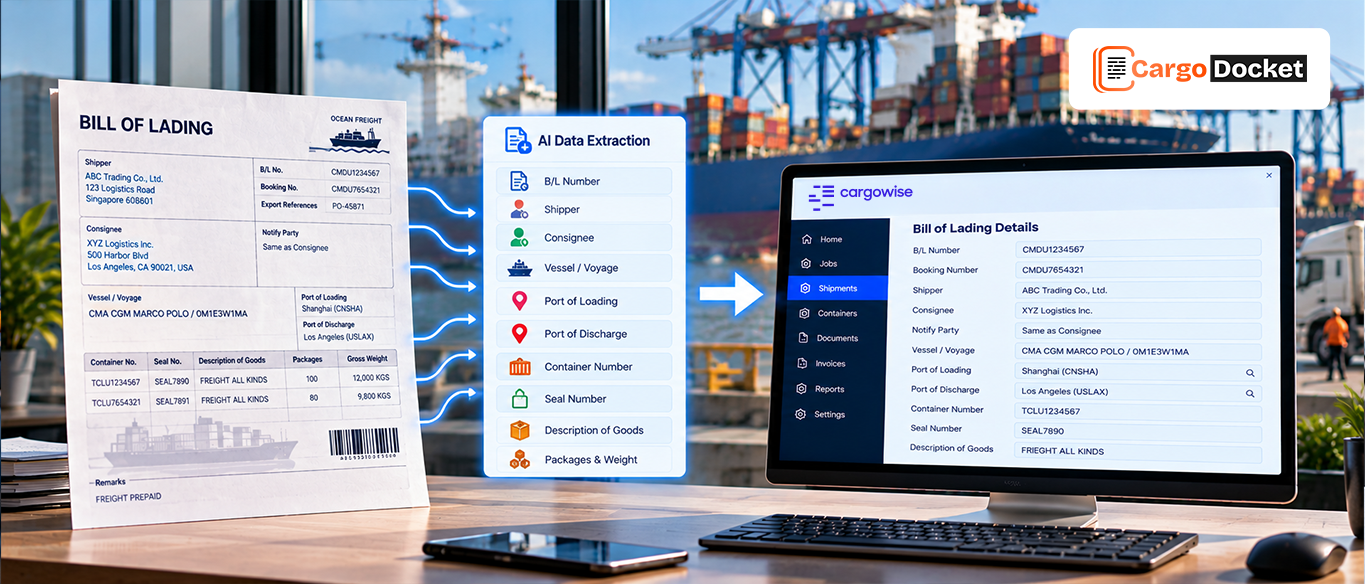
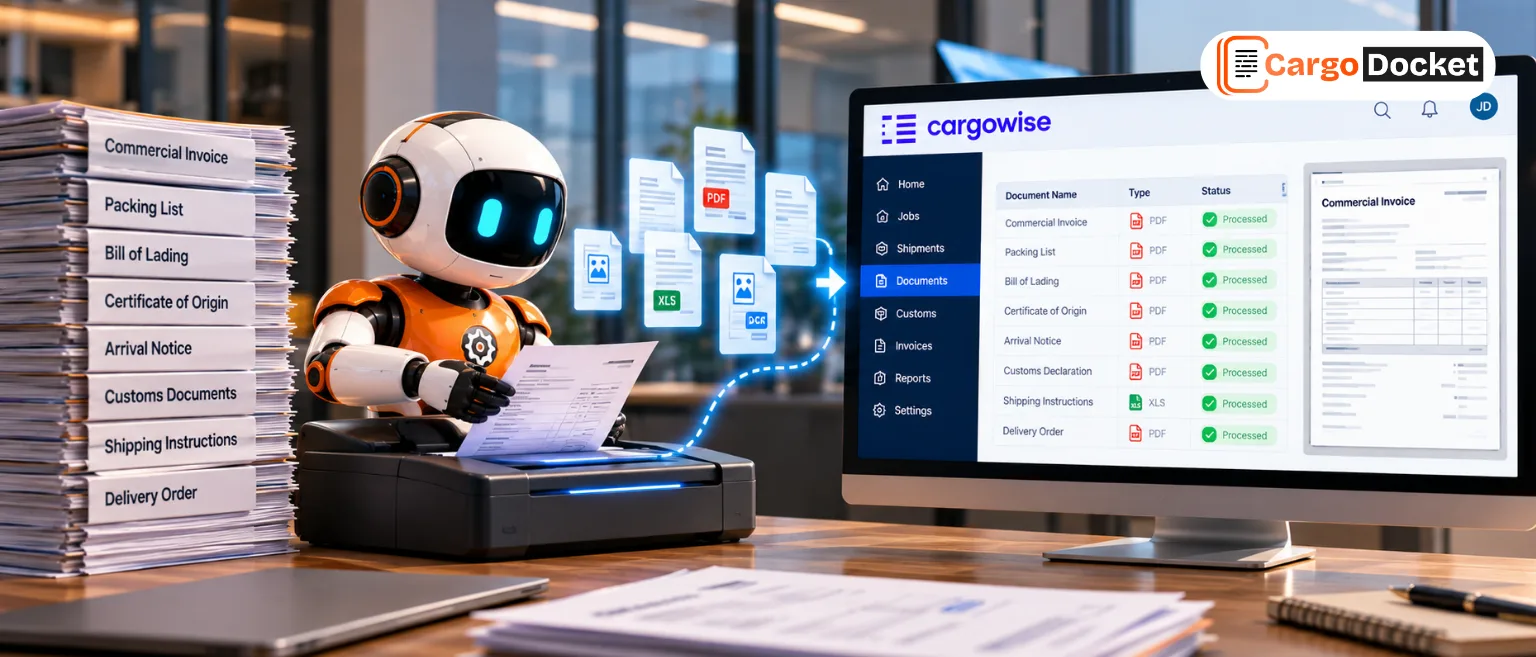
AI document automation helps extract invoice details, reduce repetitive data entry, and prepare information for validation against existing financial and shipment records.
When combined with duplicate detection rules, exception handling, and structured approval workflows, automation helps freight finance teams strengthen invoice controls and identify potential payment issues before they affect cash flow.
Ready to reduce duplicate invoice risks?
Explore how AI document automation can simplify freight document processing, strengthen invoice verification, and help your team prevent avoidable payment errors.