
A shipment may reach its destination, but if delivery confirmation is delayed, the process still isn’t complete.
The final delivery step should be simple. Goods arrive, customers receive shipments, and operations move forward.
But in reality, many logistics teams know that the real work often starts after delivery happens.
Teams still need to collect delivery receipts, verify signatures, process POD documents, update systems, and trigger invoices. As shipment volumes continue increasing, these manual tasks create delays that affect customer experience, cash flow, and operational efficiency.
That is exactly why businesses are shifting toward AI workflow-driven Proof of Delivery automation to create faster and smarter delivery operations.
📄 What is Proof of Delivery (POD) in Logistics and Why does it Matter?
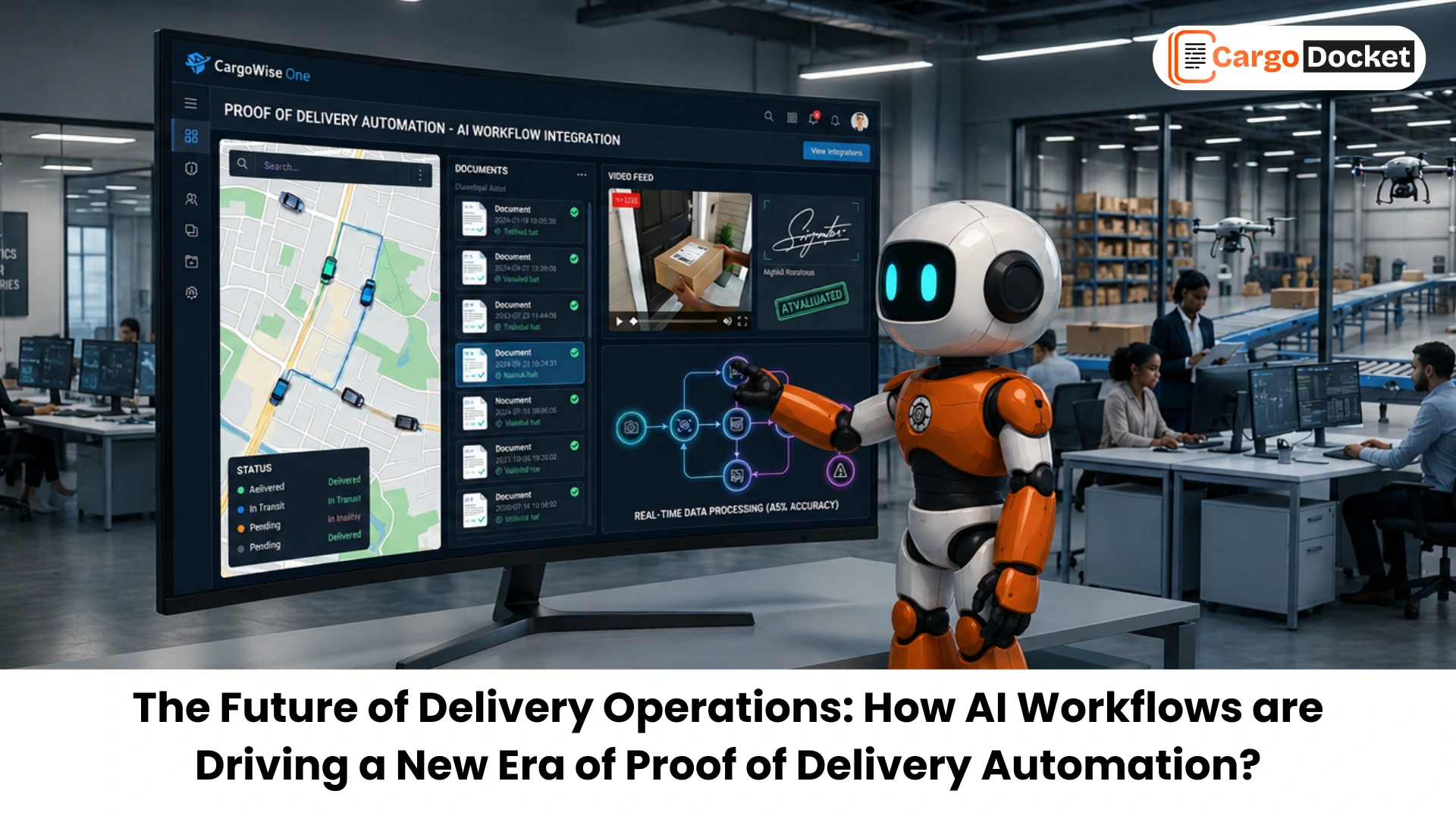
In logistics, Proof of Delivery (POD) is not simply a receipt showing that goods arrived at a destination. It acts as an operational checkpoint that confirms a shipment was delivered to the right customer, at the right location, and at the right time.
For freight forwarders, transport providers, warehouses, and last-mile delivery teams, POD becomes a critical document because it connects delivery operations with customer service, invoicing, and financial workflows.
A POD process can include:
- Customer signatures
- Delivery receipts
- Delivery photographs
- Barcode or QR scans
- GPS location verification
- Shipment confirmation details
Think about it this way. A shipment may physically reach the customer, but until delivery information is verified and updated inside the system, operations teams often cannot move to the next step.
Without accurate POD information, businesses may face:
- Delayed invoice generation
- Shipment disputes
- Missing delivery records
- Slower Order-to-Cash cycles
- Limited visibility into completed deliveries
That is why Proof of Delivery has become much more than a delivery confirmation process. It has become an important part of modern logistics operations.
⚠️ Why Traditional POD Processes Create Hidden Operational Delays?
Many logistics businesses still rely on paper receipts or disconnected workflows to manage Proof of Delivery documentation.
Drivers collect signatures manually. Delivery documents are uploaded later. Operations teams process files separately, while finance teams wait for confirmation before invoices can move forward.
This often creates:
- Delayed invoice processing
- Missing delivery records
- Increased customer disputes
- Manual document handling
- Reduced shipment visibility
- Slower Order-to-Cash workflows
As delivery volumes continue growing, these delays become more difficult to manage.
🤖 How AI Workflows are Transforming Proof of Delivery Operations?
Instead of manually collecting, reviewing, and processing delivery documents, AI workflows create a connected process where information moves automatically from document receipt to system updates.
The process becomes faster, smarter, and easier to manage.
📥 Step 1: Documents are Received Automatically
Delivery information enters the workflow automatically from different channels, such as:
- Mobile delivery applications
- Email attachments
- Scanned POD documents
- Images and PDFs
- Digital signature platforms
Instead of collecting paperwork manually, the process begins immediately.
🔍 Step 2: AI Extracts Delivery Information Instantly
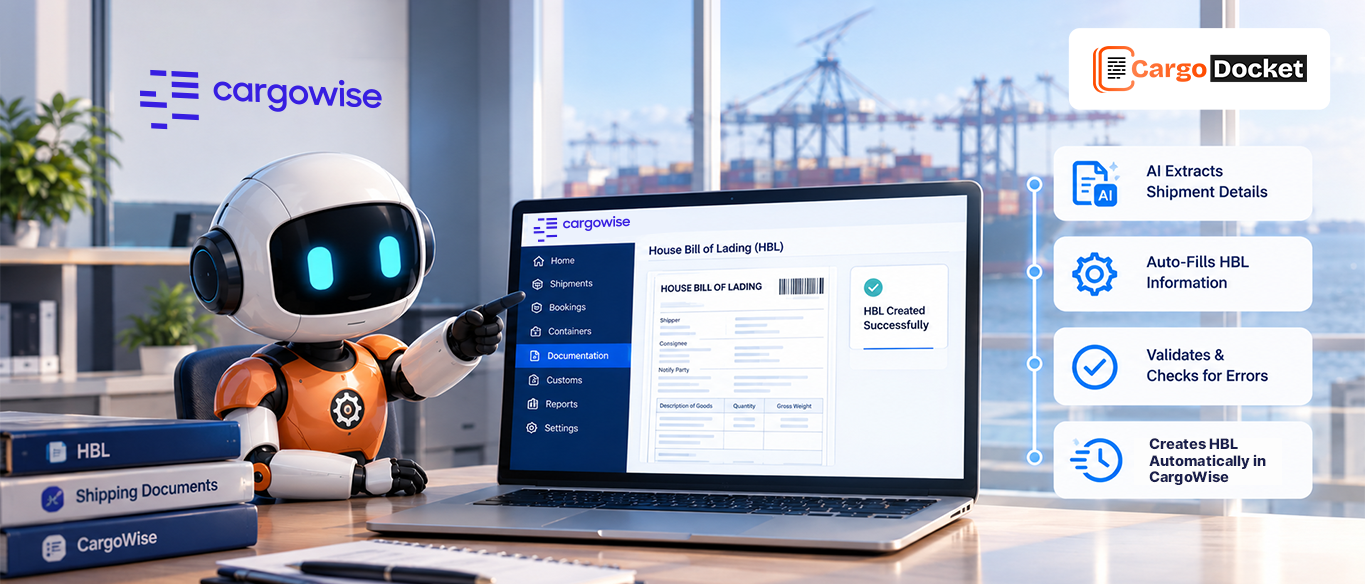
Once documents are received, AI automatically reads and extracts important shipment information.
The system identifies:
- Delivery numbers
- Shipment references
- Customer details
- Signatures
- Delivery dates
- Location information
Instead of manually opening every file, AI captures information within seconds.
🚩 Step 3: AI Validates Information and Flags Exceptions
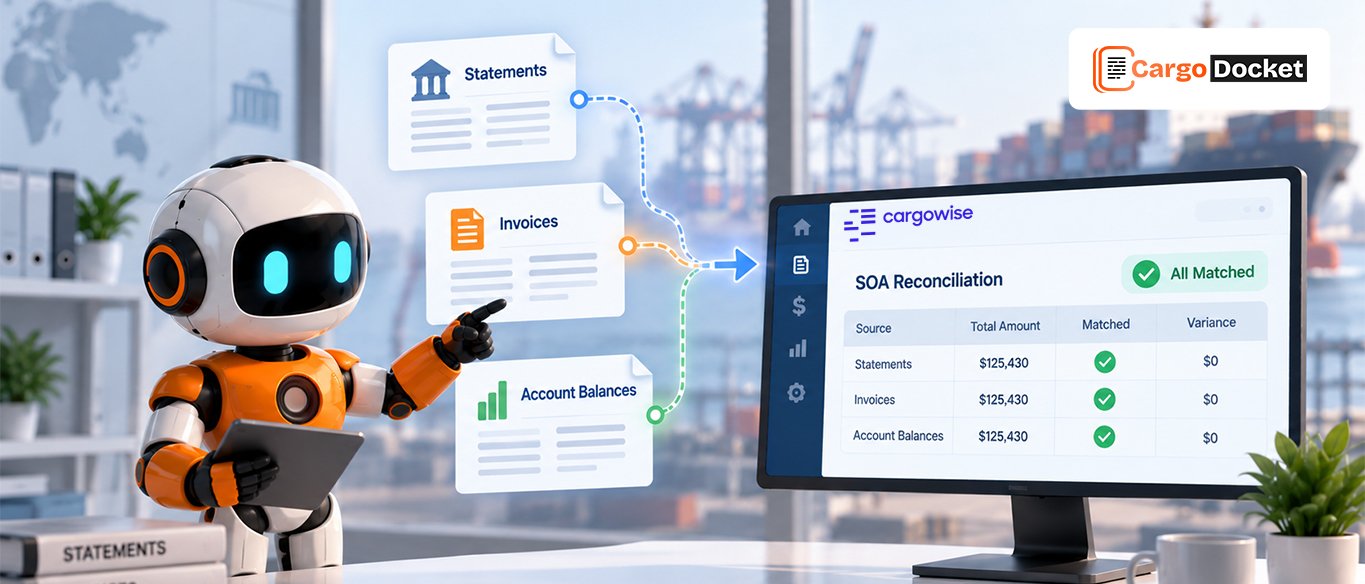
After AI extraction, AI compares information against shipment and operational records.
The system checks for:
- Missing signatures
- Duplicate records
- Incorrect shipment references
- Mismatched customer details
- Incomplete delivery information
If anything looks unusual, exceptions are immediately flagged for review. Instead of reviewing every document manually, teams focus only on records requiring attention.
🔗 Step 4: ERP Posting Creates Connected Workflows
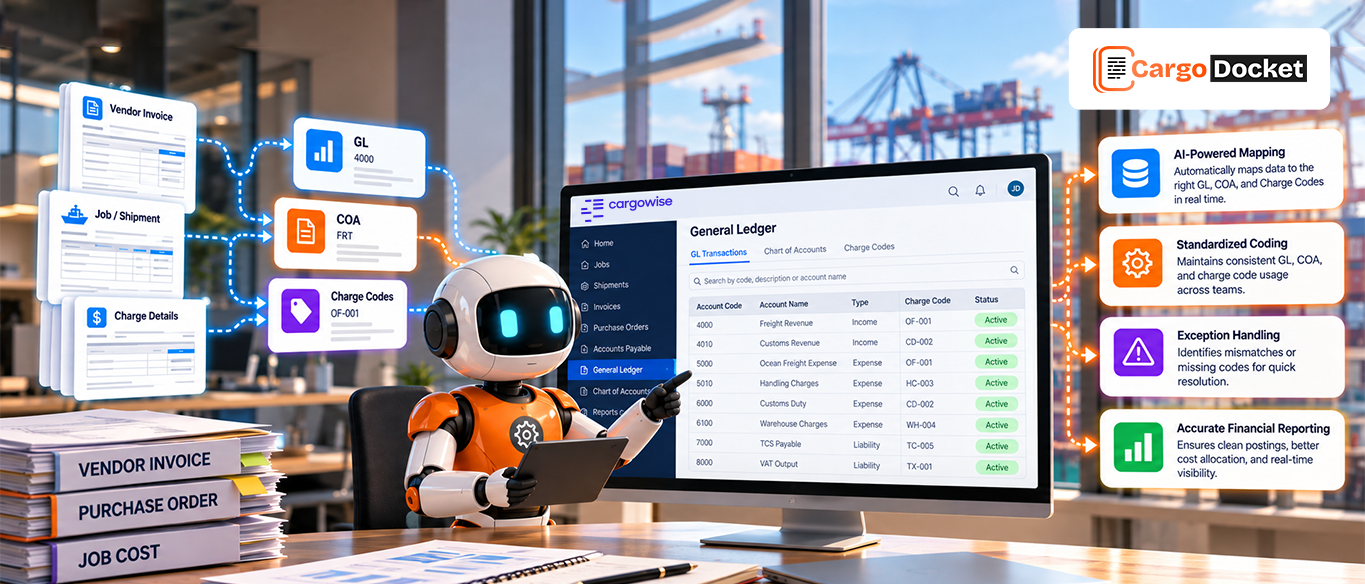
Once information is validated, delivery data moves directly into ERP like CargoWise or SAP, TMS, and operational systems automatically.
This enables:
- Shipment status updates
- Invoice triggering
- Customer notifications
- Delivery confirmation updates
- Financial workflow processing
Instead of manually updating multiple systems, information moves automatically across the business.
📊 Why Businesses are Prioritizing AI-Powered POD Automation?
Businesses implementing AI workflow automation are seeing measurable improvements across delivery operations.
Common benefits include:
- Up to 80% reduction in manual document processing
- Faster invoice and billing cycles
- Better delivery visibility
- Reduced customer disputes
- Faster Order-to-Cash processing
- Improved operational efficiency
Instead of spending time processing paperwork, teams can focus more on delivery performance and customer experience.
🚀 Final Thoughts
Proof of Delivery is no longer just about confirming shipments. It has become a critical logistics process that directly impacts operations, customer experience, and financial workflows. As shipment volumes continue increasing, now is the right time to explore how AI Document Automation can eliminate manual document processing, accelerate delivery workflows, and create smarter logistics operations.