
You open a bank statement expecting a straightforward reconciliation, then the list keeps going, with hundreds of transactions, different descriptions, missing entries, bank charges, and a few items you can’t immediately explain.
That’s where the real work begins.
As transaction volumes grow, manually checking every entry can take up a significant amount of your team’s time. AI automation is changing this process by helping you match routine transactions, identify differences, and bring exceptions to your attention faster.
📄 Why does Manual Bank Reconciliation Take So Much Time?
If you’re handling reconciliation manually, you may already know how repetitive the process can become. You might need to compare every transaction against your financial records, check amounts and dates, investigate descriptions, and work out why something doesn’t match.
You may also come across:
- High transaction volumes
- Different transaction descriptions
- Missing or duplicate entries
- Timing differences
- Bank fees and adjustments
- Transactions that need further investigation
The problem isn’t always that a transaction is complicated. It’s having to repeat the same checks hundreds or thousands of times.
🔍 How can AI Automation Speed Up Transaction Matching?
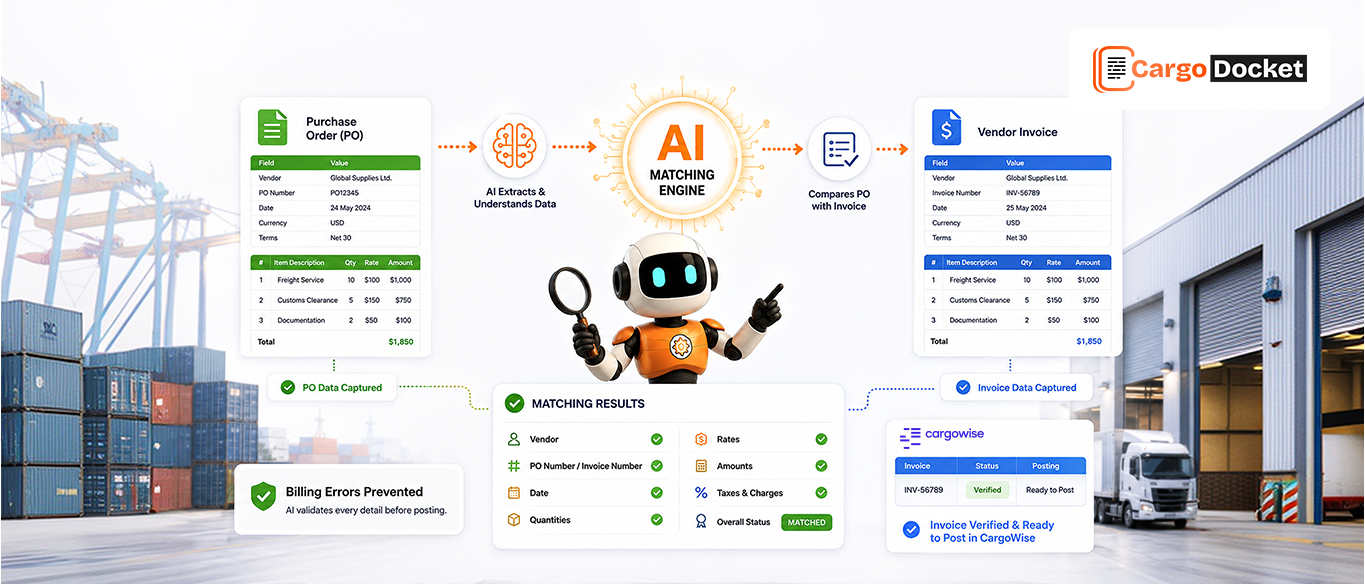
This is where AI can take some of the repetitive work off your plate. AI can review transaction details such as amounts, dates, descriptions, and references to identify potential matches between your bank statement and financial records.
Instead of working through everything manually:
Review everything → find matches → investigate differences
you can move toward:
Match routine transactions → flag exceptions → review what needs attention, that means you don’t have to spend as much time checking transactions that are already correct. Your attention can move toward the entries that actually need investigation.
⚖️ Manual vs. AI-Assisted Bank Reconciliation: What’s the Difference?
| Dimension | Manual Reconciliation | AI-Assisted Reconciliation |
| Transaction Matching | You manually compare records | AI identifies potential matches. |
| High Volumes | More transactions mean more manual work | Routine transactions can be processed faster |
| Exceptions | You find them during the review | Potential differences can be flagged |
| Duplicate Entries | Require manual investigation | Can be identified for review |
| Timing Differences | Need to be checked manually | Can be highlighted as potential exceptions |
| Your Team’s Time | More time spent on routine checks | More time available for investigation |
| Decision-Making | Your team handles the entire process | AI supports matching while your team makes decisions |
The goal isn’t to take your finance team out of the process. It’s to take some of the repetitive checking off their hands.
⚠️ Not Every Difference is an Error
Here’s something important to remember: an unmatched transaction doesn’t automatically mean something is wrong.
It could be a bank fee, a timing difference, a missing accounting entry, a duplicate, or simply a transaction that was recorded differently.
AI can help bring these transactions to your attention, but your finance team still needs to understand what happened and decide what to do next.
AI handles routine matching. Your team handles exceptions and decisions.
📊 What does this Mean for Your Finance Team?
When you spend less time checking routine transactions, you have more time for work that requires human judgment.
Your team can focus on:
- Investigating unusual transactions
- Resolving outstanding differences
- Following up on missing information
- Reviewing financial records
- Strengthening financial controls
The goal isn’t simply to finish reconciliation faster.
It’s to spend less time checking what already matches and more time understanding what doesn’t.
🚀 Is Bank Reconciliation Becoming More Exception-Focused?
Traditionally, you review a large number of transactions to find the few that need attention. AI automation can help turn that process around.
Routine transactions can move through automated matching, while transactions that appear unusual, incomplete, duplicated, or unmatched can be brought forward for review.
That gives you a more focused workflow. Technology handles more of the repetitive comparisons. Your team focuses on investigation, judgment, and resolution.
📌 Conclusion
Bank reconciliation isn’t going away, but the way you manage it is changing. AI automation can help you match routine transactions, identify differences, and focus your team’s attention on the entries that actually need investigation.
When combined with AI Document Automation, you can also reduce the manual effort involved in extracting and processing financial information from documents before it reaches the reconciliation process.
Together, these technologies can help create a more connected and efficient finance workflow. Less time checking what matches. More time understanding what doesn’t.