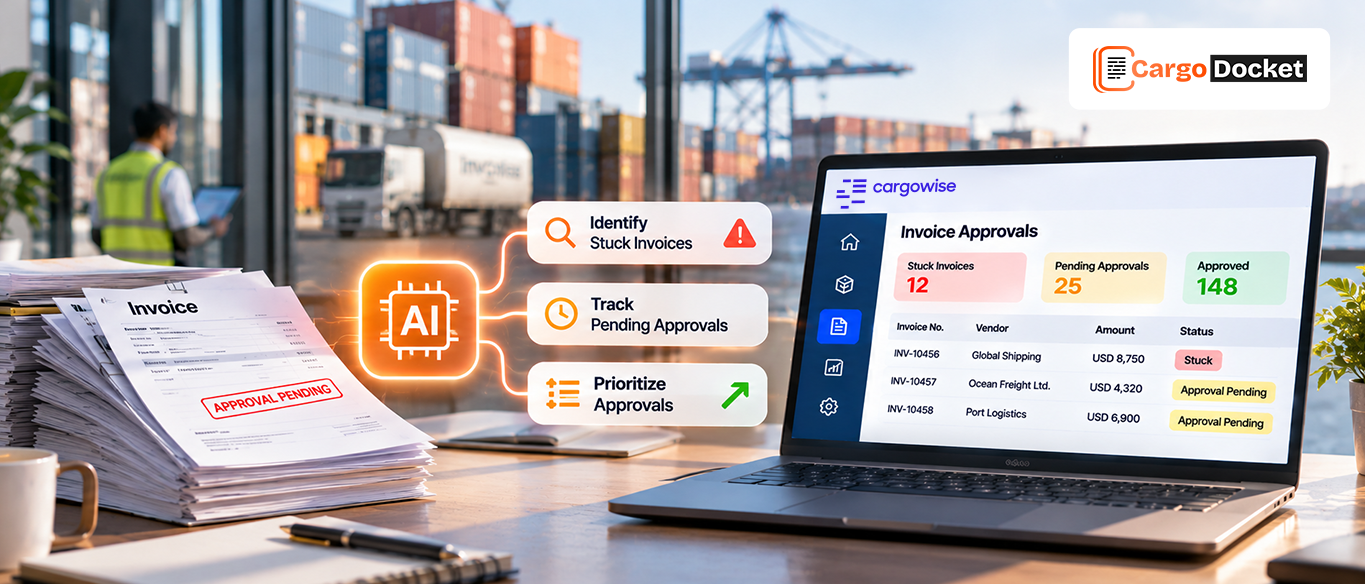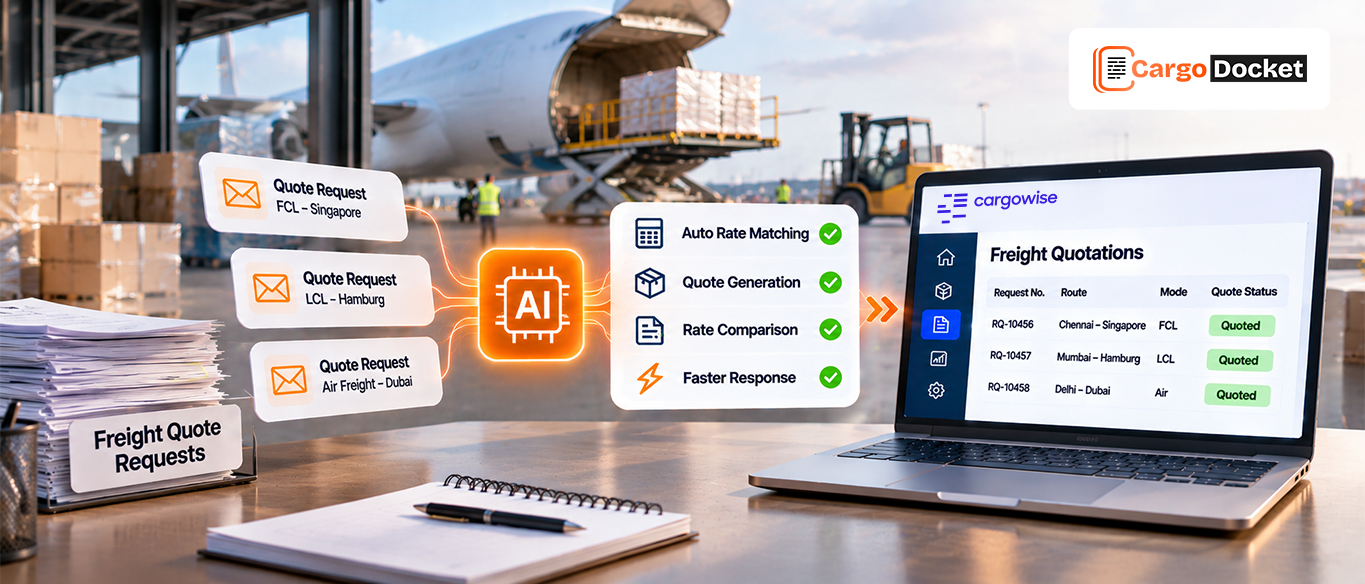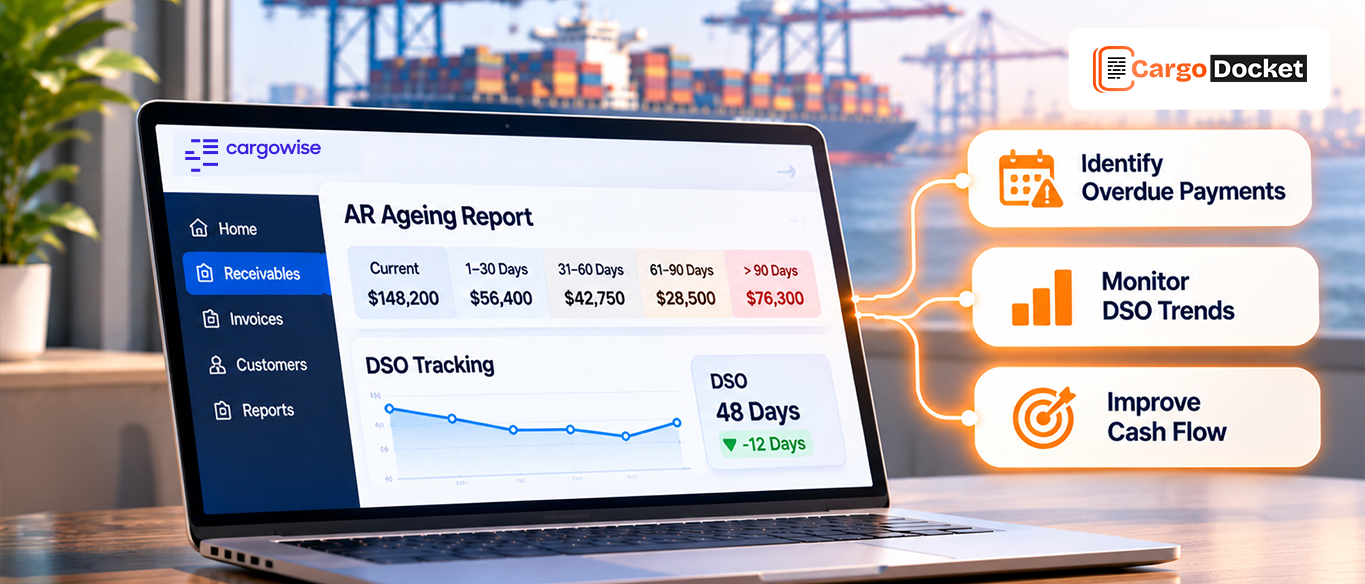

An origin freight forwarder sends a pre-alert package to the destination team, containing House Bills of Lading (HBLs), Master Bills of Lading (MBLs), commercial invoices, and packing lists. The receiving team must review these documents, verify shipment details, and prepare the necessary records in CargoWise.
But what happens when those documents arrive just hours before the vessel reaches port?
The destination team has limited time to extract shipment information, compare documents, identify discrepancies, and coordinate customs preparation. When these activities depend on manual data entry, even a routine shipment can become difficult to process on time.
For freight forwarders using CargoWise, pre-alert document automation offers a more efficient approach by helping extract shipment details, flag inconsistencies, and prepare structured data for the appropriate CargoWise workflows.
Understanding how this process works can help freight teams reduce repetitive tasks and make better use of the time available before cargo arrival.
📄 What Happens When Pre-Alerts Reach Your Team Just Before Vessel Arrival?
Pre-alerts provide destination freight forwarders with important shipment information before cargo arrives. These documents help teams prepare import shipment records, coordinate customs requirements, and arrange the next steps for delivery.
Ideally, the origin agent sends the documents early enough for the destination team to verify the information and resolve any missing details.
However, when pre-alerts arrive only a few hours before the vessel reaches port, there is little room for delays.
For example, the House Bill of Lading may contain a different package count from the packing list, or the consignee details may need confirmation.
If these issues are discovered close to arrival, the destination team must contact the origin agent, obtain the correct information, and update the necessary shipment records.
For businesses managing several inbound shipments, even minor discrepancies can increase the workload during an already busy period.
🚢 Where does Manual Document Processing Eat Up Valuable Time?
Once the documents arrive, the next challenge is processing them.
Freight operations teams often need to open several attachments, locate shipment information, compare details, and manually enter the required fields into CargoWise.
For example, processing ten shipments with multiple supporting documents can mean reviewing dozens of files before the team has the information needed for subsequent activities.
The most common challenges include:
- Repeated Data Entry: Manually entering shipment references, container numbers, consignee details, and cargo information.
- Time-Consuming Verification: Comparing information across HBLs, MBLs, commercial invoices, and packing lists.
- Limited Preparation Time: Spending more time on administrative tasks and less time coordinating customs and delivery activities.
These tasks are necessary, but they don’t all need to depend on manual processing.
Reducing repetitive data entry can give destination teams more time to focus on shipments requiring attention.
🤖 Turning Pre-Alert Documents Into CargoWise-Ready Data
AI-powered document automation can help freight forwarders process incoming pre-alerts without manually extracting information from every attachment.
Instead of a freight forwarder reviewing each document from beginning to end, automation can identify supported document types, extract relevant shipment fields, and organize the information for review.
Here’s how a connected workflow can operate:
- Receive: Collect incoming HBLs, MBLs, commercial invoices, and packing lists from emails or uploaded files.
- Extract: Capture shipment references, container numbers, consignee information, cargo descriptions, package counts, and weights.
- Compare: Check relevant fields across documents to identify missing or inconsistent information.
- Review: Flag discrepancies that require the operations team’s attention.
- Prepare: Organize verified shipment information into structured data for the appropriate CargoWise workflow.
Once the team confirms the extracted information, a properly configured integration can help transfer the relevant data into CargoWise.
This reduces the need to retype shipment information while keeping important verification steps in place.
🔍 What Occurs When AI Discovers Inaccurate or Missing Shipment Information?
Document automation becomes particularly useful when information doesn’t match across the pre-alert package.
For example, imagine the HBL shows 250 packages, while the packing list shows 275.
Instead of automatically selecting one value, the system can flag the discrepancy and identify the documents containing the conflicting information.
The destination team can then review the original documents, contact the origin agent if necessary, and confirm the correct quantity.
The same approach can help identify issues involving container numbers, cargo weights, shipment references, and consignee information.
This allows freight teams to spend less time checking every field manually and more time resolving the exceptions that matter.
AI supports the verification process, but freight forwarders remain responsible for confirming unclear information before it is used in operational workflows.
📦 How Faster Pre-Alert Processing Helps Teams Prepare for Cargo Arrival?
Once the necessary shipment information is extracted and verified, destination teams can focus on the activities that follow.
Instead of spending hours copying information from multiple documents, a freight forwarder can work with structured shipment details and prioritize outstanding issues.
With an appropriate automation workflow, freight forwarders can:
- Reduce repetitive HBL and MBL data entry.
- Prepare shipment information for CargoWise sooner.
- Identify missing documents and inconsistencies earlier.
- Prioritize shipments requiring additional verification.
- Spend more time coordinating customs preparation and delivery arrangements.
These improvements are especially valuable when multiple shipments are scheduled to reach the same destination within a short period.
Automation cannot prevent origin agents from sending documents late, but it can reduce the manual processing required once those documents arrive.
🌐 Less Time on Documents, More Time on Freight Operations
Late pre-alerts can put destination teams under pressure, but repetitive document processing doesn’t have to slow them down further.
With CargoWise AI Document Automation, freight forwarders can extract shipment details, identify discrepancies, and prepare CargoWise-ready information while keeping exceptions under team review.
Are Last-Minute Pre-Alerts Slowing Down Your Freight Operations?
Reduce manual processing and give your destination team more time to prepare for cargo arrival.
Get in touch to explore AI document automation for your CargoWise workflows.